OG CANNABIS INSURANCE.COM

SO. CAL’S BEST INSURANCE SERVICES, INC.

9587 Arrow Rte. Suite K
Rancho Cucamonga, CA 91730

(877) 473-7979

GET A QUOTE

Available in All Legalized States

CBD and Hemp Insurance Now Available

OG Cannabis Insurance Blog

The insurance game is an ever-changing environment, especially in the Cannabis Dispensary Insurance sector. There are a variety of different factors (e.g. cannabis laws and policies) that can affect the way your insurance works and how you and your business are covered.

The OG Cannabis Insurance blog keeps you up to date on cannabis insurance, laws and policies, and dispensary insurance news so you can be proactive on protecting yourself when the unexpected happens. We update our cannabis insurance blog regularly so check back soon for more posts!

Ohio Cannabis Business Insurance Guide: Comprehensive DCC Licensing, Bonding Requirements, and Cost Insights

Ohio Cannabis Business Insurance Guide: Comprehensive DCC Licensing, Bonding Requirements, and Cost Insights

By Manuel Cuaron, OG Cannabis Insurance

Understanding cannabis business insurance in Ohio can be complex, particularly given the state’s regulatory requirements set forth by the Division of Cannabis Control (DCC). This guide is designed to demystify the essential aspects of obtaining the necessary licenses, bonds, and understanding associated costs. Readers will also gain insights into how insurance supports compliance and the financial considerations affecting cannabis operators within Ohio’s market. As the cannabis industry continues to evolve, ensuring adherence to legal stipulations while safeguarding your business remains paramount. This article will cover the insurance requirements for business licensing, bonding obligations, cost factors impacting insurance premiums, and evaluate providers that offer compliant coverage options relevant to Ohio’s cannabis sector. Ready to protect your Ohio cannabis business? Get a free quote from OG Cannabis Insurance today.

What Are Ohio DCC Cannabis Insurance Requirements for Business Licensing?

In Ohio, cannabis businesses must adhere to specific insurance requirements to secure their licensing effectively. Understanding these stipulations not only ensures compliance with the DCC but also protects businesses from potential liabilities, making it essential for any operator in the cannabis sector to familiarize themselves with these mandates.

Which Insurance Policies Does the Ohio Division of Cannabis Control Mandate?

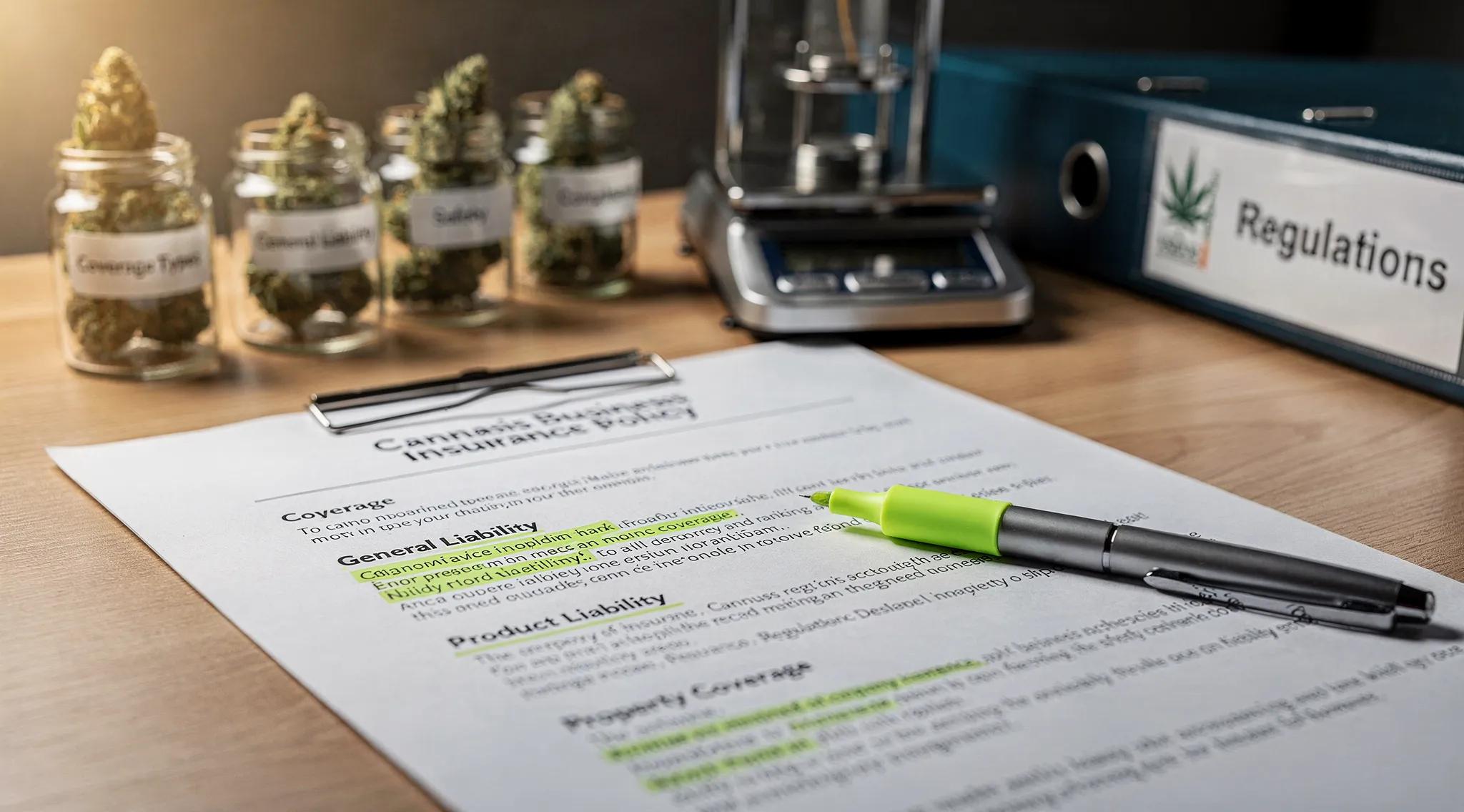
Close-up of cannabis business insurance policy document illustrating coverage types relevant to Ohio DCC

The Ohio DCC mandates several critical insurance policies that cannabis businesses must maintain. These include:

  1. General Liability Insurance: This essential coverage protects cannabis businesses against claims of bodily injury or property damage arising from their operations.
  2. Product Liability Insurance: Given the nature of the cannabis industry, this type of insurance protects companies against claims related to the consumer use of their products, should any adverse effects occur.
  3. Workers’ Compensation Insurance: Protecting employees is vital, and this policy is required to cover medical expenses and lost wages in case of work-related injuries.

These coverage requirements not only safeguard the public and employees but also stabilize business continuity by managing risks effectively. Businesses that fail to comply with these mandates face consequences, including losing their licenses, underscoring the criticality of adhering to Ohio’s cannabis insurance landscape.

How Do Insurance Requirements Support Licensing Compliance in Ohio?

Insurance requirements play a significant role in enforcing compliance with licensing in Ohio’s cannabis industry. By mandating specific coverage types, the DCC ensures that cannabis businesses are financially prepared to address potential liabilities. Effective risk management through appropriate insurance can improve a cannabis operator’s standing with regulatory authorities.

Successful compliance stories often illustrate that businesses maintaining thorough coverage not only protect themselves against lawsuits but also enhance their reputability within the industry. Additionally, maintaining required insurance allows operators to focus on their growth without the looming fear of unexpected liabilities threatening their operations.

What Bonding Obligations Must Cannabis Businesses Meet Under Ohio DCC Regulations?

Beyond insurance requirements, cannabis businesses in Ohio also need to meet specific Ohio cannabis bonding requirements set by the DCC. Bonding acts as a financial guarantee that businesses will comply with state regulations and fulfill their obligations, and understanding cannabis surety bonds Ohio operators must carry is a key part of staying licensed.

What Types of Surety Bonds Are Required by Ohio Cannabis Licensees?

Handshake between cannabis professionals symbolizing partnership and bonding obligations in Ohio's regulatory framework

Ohio cannabis licensees must secure certain types of surety bonds to comply with regulatory frameworks. Commonly required bonds include:

  1. Performance Bonds: Ensuring that businesses uphold their contractual obligations to the state, securing investment and ensuring operational integrity.
  2. License Bonds: These are specific to ensuring compliance with the regulations governing the cannabis industry in Ohio, protecting the state against financial losses due to non-compliance.

Businesses unable to present adequate surety bonds risk facing disciplinary action, including suspension or revocation of their licenses, highlighting the importance of securing the appropriate bonding measures within the industry.

How Does the Bonding Process Affect Ohio Cannabis Operators’ Licensing?

The bonding process directly impacts the licensing of cannabis operators in Ohio. Without the effective procurement of bonds, applicants could delay their operational capabilities significantly. Securing these bonds can involve demonstrating a financial capacity and business credibility, which often correlates with successful licensing outcomes.

A failure to secure the required bonds entails serious repercussions, including potential denial of licensing applications. By understanding the implications of bonding processes, operators can better prepare for successful compliance and maintain their foothold within Ohio’s competitive cannabis industry.

How Are Cannabis Business Insurance Costs Determined in Ohio?

Several factors influence cannabis insurance cost Ohio operators can expect to pay, making it crucial to understand these dynamics to maintain financial health and compliance.

What Factors Influence Insurance Premiums for Ohio Cannabis Operators?

Insurance premiums are determined based on a combination of factors, including:

  1. Business Size: The scale of the operation directly impacts coverage needs and associated costs.
  2. Type of Coverage: Different insurance policies come with varying costs, and businesses must assess which coverages are most appropriate.
  3. Claim History: A history of claims can lead to higher premiums, reflecting the risk profile of the business.

By analyzing these elements, cannabis operators can negotiate better insurance rates and ensure they are adequately covered while remaining financially viable.

What Are Typical Cost Ranges for Cannabis Insurance and Bonding in Ohio?

Understanding cost ranges for cannabis insurance and bonding can prepare operators for budgeting effectively. Typical costs for insurance policies can range significantly depending on factors such as coverage types and business specifics. The approximate ranges are as follows:

Insurance TypeTypical Cost Range
General Liability Insurance$500 – $3,000 annually
Product Liability Insurance$1,500 – $4,000 annually
Workers’ Compensation InsuranceVaries based on payroll size

Recognizing these cost structures helps businesses allocate resources efficiently while ensuring compliance with regulatory requirements.

Which Cannabis Insurance Providers in Ohio Offer DCC Compliant Coverage Options?

Choosing the right insurance provider is critical for cannabis operators looking to secure comprehensive coverage, particularly one that complies with Ohio’s DCC regulations.

What Should Operators Consider When Selecting Ohio Cannabis Insurance Providers?

When evaluating insurance providers, operators should consider the following key factors:

  • Coverage Options: Ensure the provider offers comprehensive policies that meet DCC mandates.
  • Experience in the Cannabis Industry: A provider familiar with the unique challenges of cannabis businesses can better serve clients.
  • Claims Process Efficiency: Understanding how quickly and effectively a provider handles claims can impact business continuity.

By evaluating these aspects, cannabis businesses can forge partnerships with providers that not only support regulatory compliance but also foster genuine growth.

How Do Insurance Providers Support Ongoing Licensing and Risk Management?

Insurance providers contribute significantly to the ongoing licensing and risk management of cannabis operators in Ohio. Specialized insurers often offer risk assessments and compliance consultations that help businesses adapt to changing regulations within the cannabis industry.

For instance, So. Cals Best Insurance Services Inc specializes in startup coverage tailored to Ohio’s regulatory requirements. By partnering with providers like this, operators can address the complexities of compliance while implementing thorough risk management strategies. For businesses expanding beyond state lines, exploring options such as [New York policies can also provide broader strategic insights. Protect your operation today — get a free quote from OG Cannabis Insurance.

Frequently Asked Questions

What insurance does the Ohio Division of Cannabis Control require for licensing?

The Ohio DCC requires cannabis businesses to maintain general liability insurance, product liability insurance, and workers’ compensation insurance. These policies protect against claims of bodily injury or property damage, issues arising from product use, and workplace injuries, and they are a prerequisite for maintaining an active license.

What types of surety bonds do Ohio cannabis licensees need?

Ohio cannabis licensees typically need performance bonds, which guarantee that a business will meet its contractual obligations to the state, and license bonds, which protect the state against financial losses resulting from non-compliance. Failing to secure adequate bonding can result in license suspension or revocation.

How much does cannabis business insurance cost in Ohio?

Costs vary by coverage type and business specifics. General liability insurance typically ranges from $500 to $3,000 annually, product liability insurance from $1,500 to $4,000 annually, and workers’ compensation premiums vary based on payroll size. Business size, coverage type, and claim history all influence final premiums.

What happens if a cannabis business fails to meet Ohio’s bonding requirements?

Businesses unable to present adequate surety bonds risk disciplinary action from the DCC, including suspension or revocation of their license, as well as delays in obtaining or renewing their operating license.

How do I choose the right cannabis insurance provider in Ohio?

Look for a provider with comprehensive coverage options that meet DCC mandates, direct experience serving cannabis businesses, and an efficient claims process. Providers with cannabis industry expertise can also offer risk assessments and compliance consultations to help operators adapt as regulations change.

Copyright © OG Cannabis Insurance. All Rights Reserved.

img Click To Call!