OG CANNABIS INSURANCE.COM

SO. CAL’S BEST INSURANCE SERVICES, INC.

9587 Arrow Rte. Suite K
Rancho Cucamonga, CA 91730

(877) 473-7979

GET A QUOTE

Available in All Legalized States

CBD and Hemp Insurance Now Available
OG Cannabis Insurance Blog

The insurance game is an ever-changing environment, especially in the Cannabis Dispensary Insurance sector. There are a variety of different factors (e.g. cannabis laws and policies) that can affect the way your insurance works and how you and your business are covered.

The OG Cannabis Insurance blog keeps you up to date on cannabis insurance, laws and policies, and dispensary insurance news so you can be proactive on protecting yourself when the unexpected happens. We update our cannabis insurance blog regularly so check back soon for more posts!

Cannabis Insurance Requirements by State: 2026 Complete Guide

Cannabis Insurance Requirements by State: 2026 Compliance Guide

Cannabis insurance requirements vary significantly by state with General Liability limits standard at $1M/$2M. All legal states require Workers Compensation for employees, while Washington requires Product Liability Insurance for cannabis license holders. Annual costs range from $750 (relaxed state requirements) to $2,500+ (strict states like New York, Massachusetts). Below is a comprehensive state-by-state breakdown of coverage requirements and costs.

STATE REQUIREMENT SUMMARY (2026):

  • ✓ All Legal States Require: Workers Compensation (if employees)
  • ✓ General Liability Minimums: $1M-$5M (varies by state)
  • ✓ Product Liability Mandates: 18 states require for retailers
  • ✓ Strictest States: Massachusetts, New York ($2M GL + $2M PL)
  • ✓ Most Affordable States: Colorado, Oregon, Oklahoma
  • ✓ Highest Cost States: New York, Massachusetts, Illinois

QUICK STATE COMPARISON:

  • • California: $1/2M GL, $1/2M PL, WC required
  • • Colorado: $1/2M GL, WC required (PL recommended)
  • • New York: $1/2M GL, $1/2M PL, WC required
  • • Michigan: $1/2MM GL, WC required, $100K Limit & State Attestation Form Required
  • • Illinois: $2M GL, $1M PL, WC required
StateGL MinimumPL Required?WC Required?Average Annual Cost RangeLicensing Agency
California$1/2MYes ($1M)Yes$750-$5,000Dept. of Cannabis Control (DCC)
Colorado$1/2MRecommendedYes$750-$2,500Marijuana Enforcement Division (MED)
New York$1/2MYes ($2M)Yes$1,500-$4,500Office of Cannabis Management (OCM)
Massachusetts$1/2MYes ($1M)Yes$2,000-$5,000Cannabis Control Commission (CCC)
Michigan$1/2MRecommendedYes$750-$3,000Cannabis Regulatory Agency (CRA)
Illinois$1/2MYes ($1M)Yes$1,200-$4,000Dept of Financial & Professional Regulation
Florida$1/2MYes ($1M)Yes$1,000-$3,500Office of Medical Marijuana Use
Washington$1/2MRecommendedYes$750-$3,000Liquor & Cannabis Board (LCB)
Oregon$1/2MRecommendedYes$750-$2,500Oregon Liquor & Cannabis Commission
Nevada$1/2MYes ($1M)Yes$1,000-$3,500Cannabis Compliance Board (CCB)
Arizona$1/2MRecommendedYes$750-$3,000Dept of Health Services
New Jersey$1/2MYes ($1M)Yes$1,200-$3,800Cannabis Regulatory Commission
Pennsylvania$1/2MYes ($1M)Yes$1,000-$3,200Medical Marijuana Program
Maryland$1/2MRecommendedYes$750-$3,000Cannabis Administration
Oklahoma$1/2MNoYes$750-$2,200Medical Marijuana Authority

Which States Have the Strictest Cannabis Insurance Requirements?

Massachusetts has the highest insurance requirements for cannabis businesses, mandating a $5 million minimum general liability coverage due to strict Cannabis Control Commission (CCC) regulations. New York also enforces rigorous standards, requiring both general liability and product liability insurance at $2 million each to ensure comprehensive protection. These states represent the upper end of the spectrum in terms of coverage limits and regulatory oversight.

Conversely, states like Colorado and Oregon have the most relaxed insurance requirements, with lower minimum coverage limits and fewer mandates, resulting in more affordable insurance costs for cannabis operators. Despite these differences, all states require workers’ compensation insurance for cannabis businesses with employees, with no exceptions.

Do All States Require Product Liability Insurance?

While some states recommend product liability coverage, it is not universally required. For example, Washington requires product liability insurance with minimum coverage limits, States like Michigan requires an “attestation form” for product liability limits of $100,000.

How Much Does Cannabis Insurance Cost by State?

Annual cannabis insurance costs vary widely depending on state requirements and business type. Dispensary general liability insurance typically ranges from $500 to $1,500 annually. Cultivation operations generally incur costs from $1,000 to $4,000 per year ue to the larger square footage of indoor & outdoor cultivation work sites. Workers compensation insurance costs start from $750 and increases as payroll increases. These cost ranges reflect the diversity of regulatory environments and risk profiles across states.

What States Have the Lowest Insurance Requirements?

States such as Colorado, Oregon, and Oklahoma have the lowest insurance requirements for cannabis businesses, featuring lower minimum coverage limits and fewer mandatory insurance types. These states offer more affordable insurance options, making them attractive for cannabis operators seeking to minimize compliance costs while maintaining essential protections.

How Do I Prove Insurance Compliance to State Regulators?

Cannabis businesses must provide proof of insurance coverage to state regulatory agencies as part of their licensing and ongoing compliance processes. This typically involves submitting certificates of insurance that detail coverage types, limits, and policy periods. Regulatory bodies such as the California Bureau of Cannabis Control (BCC), Colorado Marijuana Enforcement Division (MED), and New York Office of Cannabis Management (OCM) require documentation to verify that businesses meet state insurance mandates. Maintaining up-to-date insurance certificates and promptly reporting any changes is essential to avoid penalties or license suspension.

What Happens If I Don’t Meet State Insurance Requirements?

Failure to meet state-mandated cannabis insurance requirements can result in severe consequences, including fines, license suspension, or revocation. Non-compliance exposes businesses to increased financial risk and legal liabilities, potentially jeopardizing operations. State regulators enforce insurance mandates to protect consumers, employees, and the industry, making adherence critical for cannabis operators. Engaging with knowledgeable insurance brokers and regularly reviewing coverage can help ensure ongoing compliance.

Which General Liability Insurance Mandates Apply to Cannabis Businesses?

General liability insurance is essential for cannabis businesses, as it protects against claims of bodily injury, property damage, and personal injury. Many states require cannabis operators to carry this coverage to operate legally. For instance, California mandates a minimum coverage limit of $2 million per occurrence, while Colorado requires at least $1 million as a minimum general liability coverage. These state-specific requirements ensure that cannabis businesses can cover potential legal costs arising from accidents or injuries related to their operations.

How Do Product Liability and Commercial Property Insurance Requirements Vary by State?

Product liability insurance protects cannabis businesses from claims related to the safety and efficacy of their products. States like Oregon and Washington have specific mandates requiring cannabis manufacturers to carry this insurance to mitigate risks associated with product recalls or consumer injuries. Commercial property insurance, on the other hand, covers physical assets such as buildings and equipment. S

How Do State Cannabis Insurance Laws Differ for Cultivators, Dispensaries, Manufacturers, and Labs?

The insurance requirements for cannabis businesses can differ significantly based on their specific operations. Cultivators, dispensaries, manufacturers, and labs each face unique risks that necessitate tailored insurance solutions.

What Are Cannabis Cultivation Insurance Mandates by State?

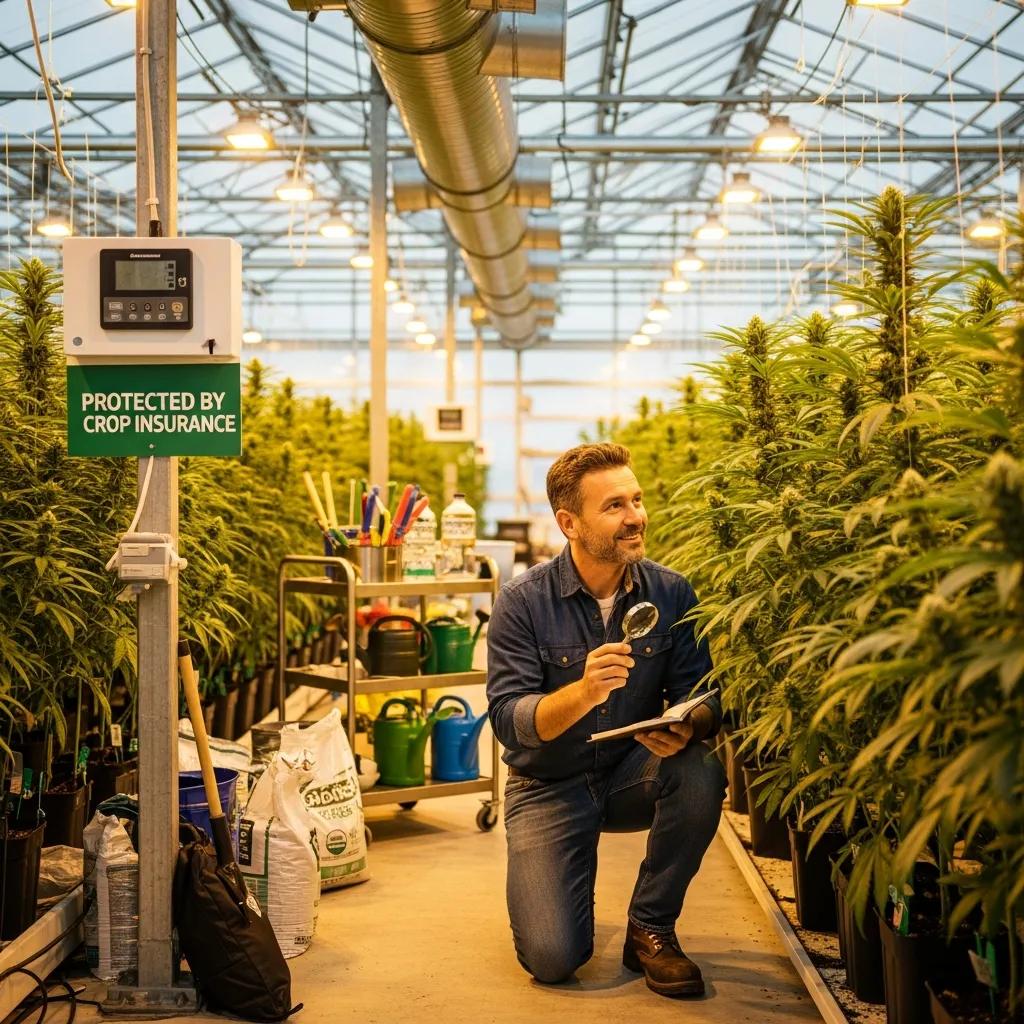
Cannabis cultivation site with healthy plants and a farmer inspecting them

Cannabis cultivators often face risks related to crop loss, equipment failure, and liability claims. States like Michigan require cultivators to have specific insurance coverage that includes product liability insurance. Crop insurance is not typically mandated by state cannabis regulatory bodies but may be recommended. This ensures that cultivators are protected against unforeseen events that could jeopardize their operations and financial stability. Cultivation insurance costs generally range from $1,000 to $4,000 annually depending the crop size and plant value.

What Specific Dispensary Insurance Coverage Is Required in Different States?

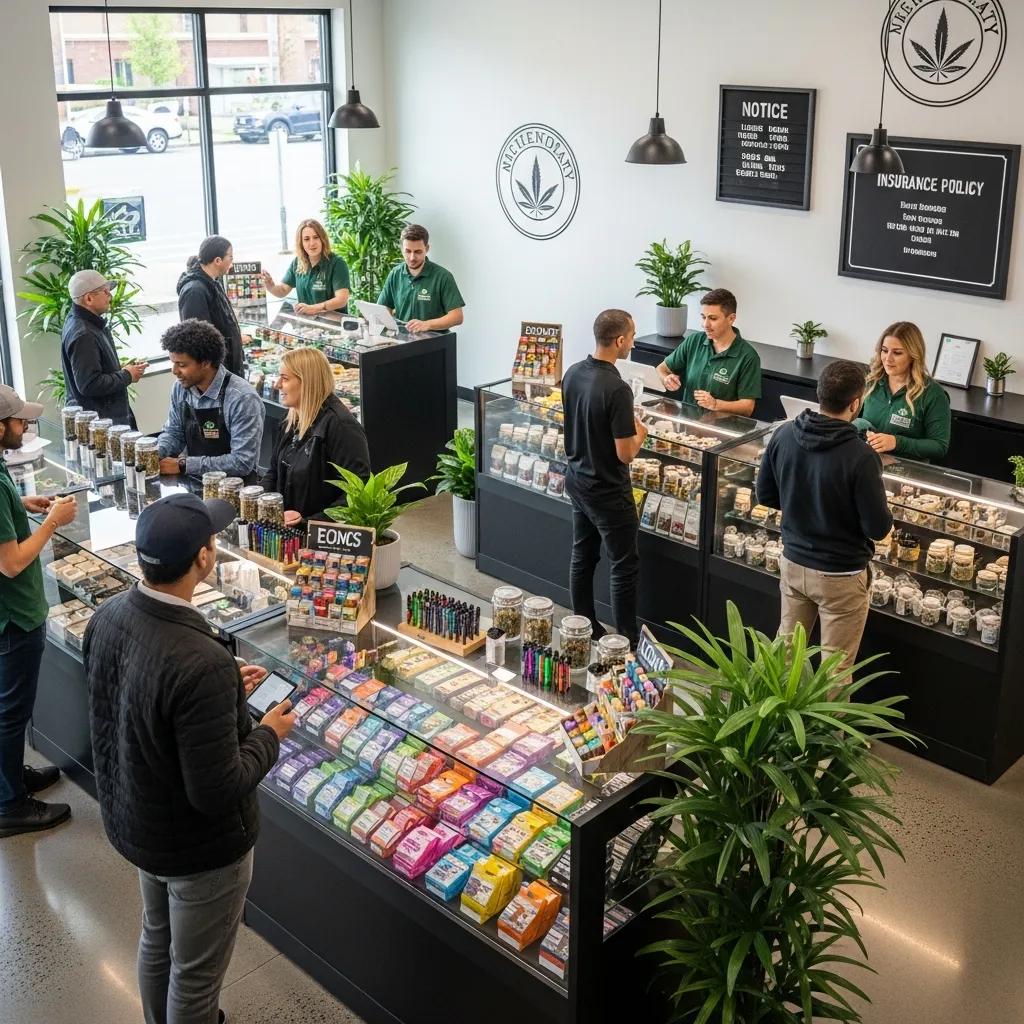
Interior of a cannabis dispensary with staff assisting customers and product displays

Dispensaries, as retail outlets for cannabis products, must adhere to specific insurance requirements that protect against theft, liability, and property damage. For example, New York mandates dispensaries to carry general liability insurance with a minimum coverage of $2 million and product liability insurance at $2 million, while Florida requires general liability insurance but does not specifically mandate product liability insurance statewide. These requirements help ensure that dispensaries can operate safely and responsibly within their communities. Dispensary insurance costs typically range from $750 to $4,000 annually depending on state mandates.

Which States Have Mandatory Workers’ Compensation and Surety Bond Requirements for Cannabis Businesses?

Workers’ compensation insurance is crucial for cannabis businesses to protect employees in case of work-related injuries. Additionally, some states require cannabis operators to obtain surety bonds as part of their licensing process. Oklahoma, Florida, California & Minnesota have bond requirements of cannabis licensing.

How Do Workers’ Compensation Insurance Guidelines Impact Cannabis Operators?

Workers’ compensation insurance guidelines vary by state, with some states mandating coverage for all employees, while others have specific exemptions. For instance, in California, all cannabis businesses must provide workers’ compensation insurance to their employees, ensuring that they are covered for medical expenses and lost wages due to work-related injuries. This requirement emphasizes the importance of maintaining a safe working environment within the cannabis industry. All legal states require workers’ compensation insurance for cannabis businesses with employees, with costs starting at $750 and increases with payroll.

What Are the Surety Bond Requirements for Cannabis Licenses State-by-State?

Surety bonds are often required for cannabis businesses to ensure compliance with state regulations. States like California and Florida require cannabis operators to obtain surety bonds ranging from $5,000 to $100,000, depending on the type of license. These bonds serve as a financial guarantee that businesses will adhere to state laws and regulations, providing an additional layer of protection for consumers and the industry.

How Will the Anticipated Federal Reclassification of Marijuana to Schedule III Affect Cannabis Insurance Markets?

The anticipated federal reclassification of marijuana to Schedule III is expected to have significant implications for the cannabis insurance market. While no official date has been set for this reclassification, industry experts speculate it could occur in the mid-2020s. This change could lead to increased participation from national insurance carriers and a broader range of coverage options for cannabis businesses.

The current federal stance on cannabis, however, presents significant hurdles for businesses seeking essential financial services like insurance, underscoring the importance of potential reclassification.

Federal Regulations & Cannabis Business Insurance Challenges

Cannabis-related businesses (CRBs), in states where cannabis is legal, may be unable to obtain professional financial services including banking, insurance, and accounting because of federal laws and regulations. This qualitative study investigated the following research questions.

Accounting and the US cannabis industry: federal financial regulations and the perspectives of Certified Public Accountants and cannabis businesses owners, GS Owens-Ott, 2020

What Changes Are Expected in National Carrier Participation and Coverage Options?

With the reclassification, national insurance carriers may become more willing to offer coverage to cannabis businesses, leading to increased competition and potentially lower premiums. This shift could also result in more comprehensive insurance products tailored to the unique needs of the cannabis industry, allowing operators to secure better coverage at competitive rates.

How Should Cannabis Businesses Prepare for Regulatory and Insurance Market Shifts?

Cannabis businesses should proactively assess their insurance needs and stay informed about regulatory changes as the market evolves. Engaging with experienced insurance brokers who specialize in cannabis coverage can help operators navigate the complexities of the insurance landscape and ensure they are adequately protected against emerging risks.

Where Can Cannabis Operators Find State-Specific Insurance Requirements and Compliance Resources?

Navigating the myriad of state-specific insurance requirements can be challenging for cannabis operators. Fortunately, several resources are available to assist businesses in understanding their obligations.

How to Use Interactive Maps and Tables to Navigate State Cannabis Insurance Laws

Interactive maps and tables can provide valuable insights into state-specific cannabis insurance laws. These tools allow operators to quickly identify the insurance requirements for their state, including coverage types and minimum limits. Utilizing these resources can streamline the compliance process and help businesses stay informed about their obligations.

Which Regulatory Bodies Govern Cannabis Insurance Mandates in Key States?

Various regulatory bodies oversee cannabis insurance mandates at the state level. For example, the California Department of Cannabis Control and the Colorado Department of Revenue are responsible for enforcing insurance requirements for cannabis businesses. Understanding which agencies govern these mandates is crucial for operators to ensure compliance and avoid potential penalties.

How Can Cannabis Businesses Secure the Right Insurance Coverage with OG Cannabis Insurance in 2026?

Securing the right insurance coverage is essential for cannabis businesses to protect their operations and assets. OG Cannabis Insurance specializes in providing tailored insurance solutions for licensed cannabis operators nationwide.

What Are the Benefits of Working with Experienced Cannabis Insurance Brokers?

Working with experienced cannabis insurance brokers can provide several advantages, including access to specialized knowledge of the cannabis industry and the ability to navigate complex insurance requirements. Brokers can help businesses identify the right coverage options and negotiate competitive premiums, ensuring that operators receive the best possible protection for their unique needs.

How to Obtain Fast Quotes and Tailored Policies for Your Cannabis Business Type

Obtaining fast quotes and tailored policies is crucial for cannabis businesses looking to secure coverage quickly. By providing detailed information about their operations and specific insurance needs, cannabis operators can receive customized quotes that reflect their unique risks and requirements. Engaging with OG Cannabis Insurance can streamline this process, allowing businesses to focus on their operations while ensuring they are adequately protected.

Copyright © OG Cannabis Insurance. All Rights Reserved.

imgClick To Call!